
Youth Climate Action Fund
APPLICATIONS OPEN NOW THROUGH OCTOBER 30!!

The Youth Climate Action Fund, established and supported by Bloomberg Philanthropies and delivered in partnership with United Cities and Local Governments (UCLG) and the Bloomberg Center for Public Innovation (BCPI) at Johns Hopkins University as a fiscally sponsored project of Rockefeller Philanthropy Advisors (RPA), provides technical assistance and funding to cities worldwide to engage tens of thousands of youth aged 15 through 24 in designing, implementing, and overseeing urgent climate solutions. Over the past 2 years, the program has delivered remarkable results. More than 300,000 youth across five continents have participated in the Bloomberg Philanthropies Youth Climate Action Fund to better quality of life and produce visible improvements in their communities.
Building on the successes and lessons learned from past rounds, this next phase focuses on greater ambition, more creative solutions, and the long-term integration of youth engagement into city practices and routines - reflecting the growth of the program and the leadership of participating cities.

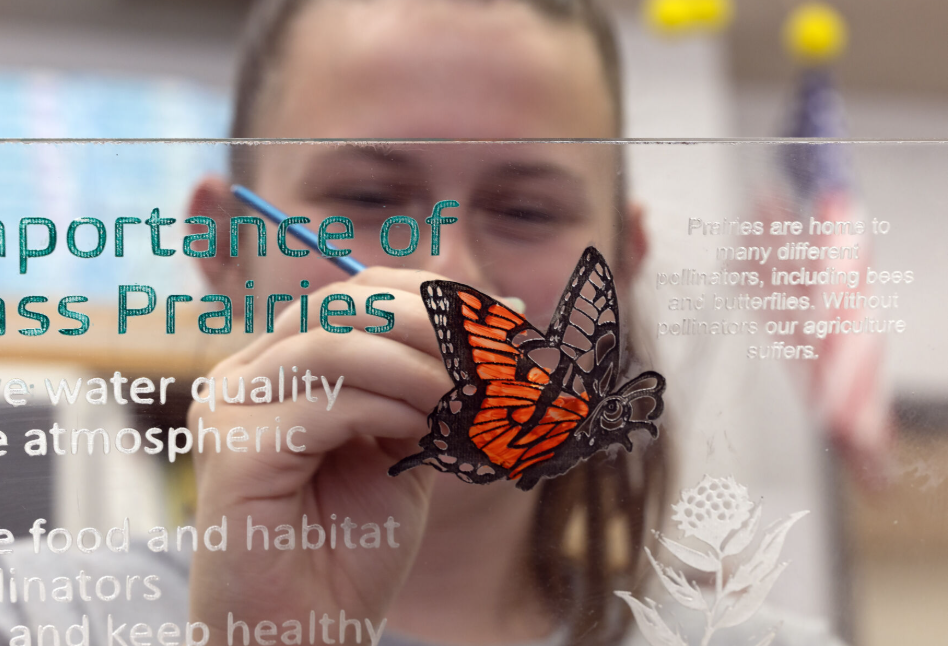
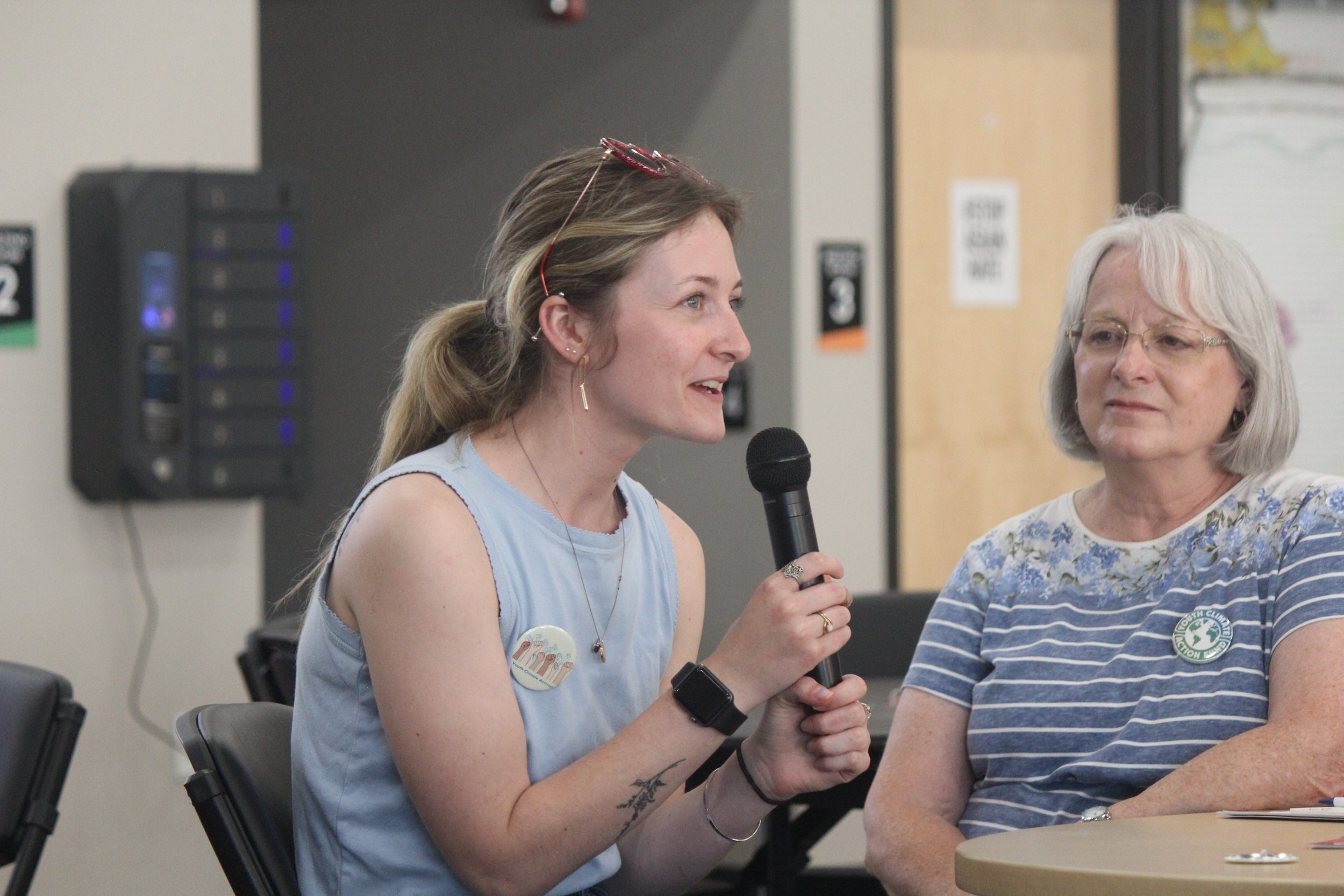

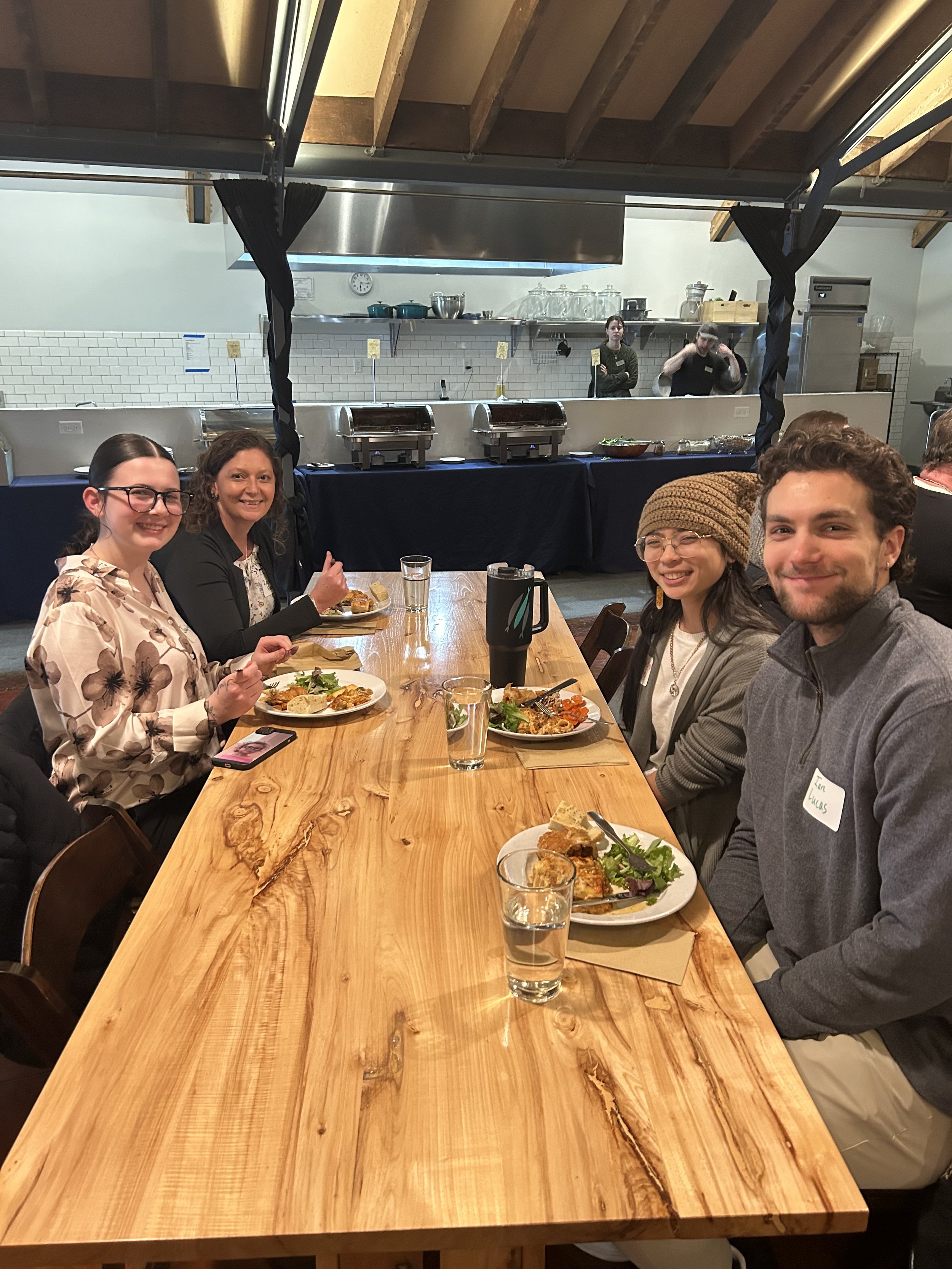


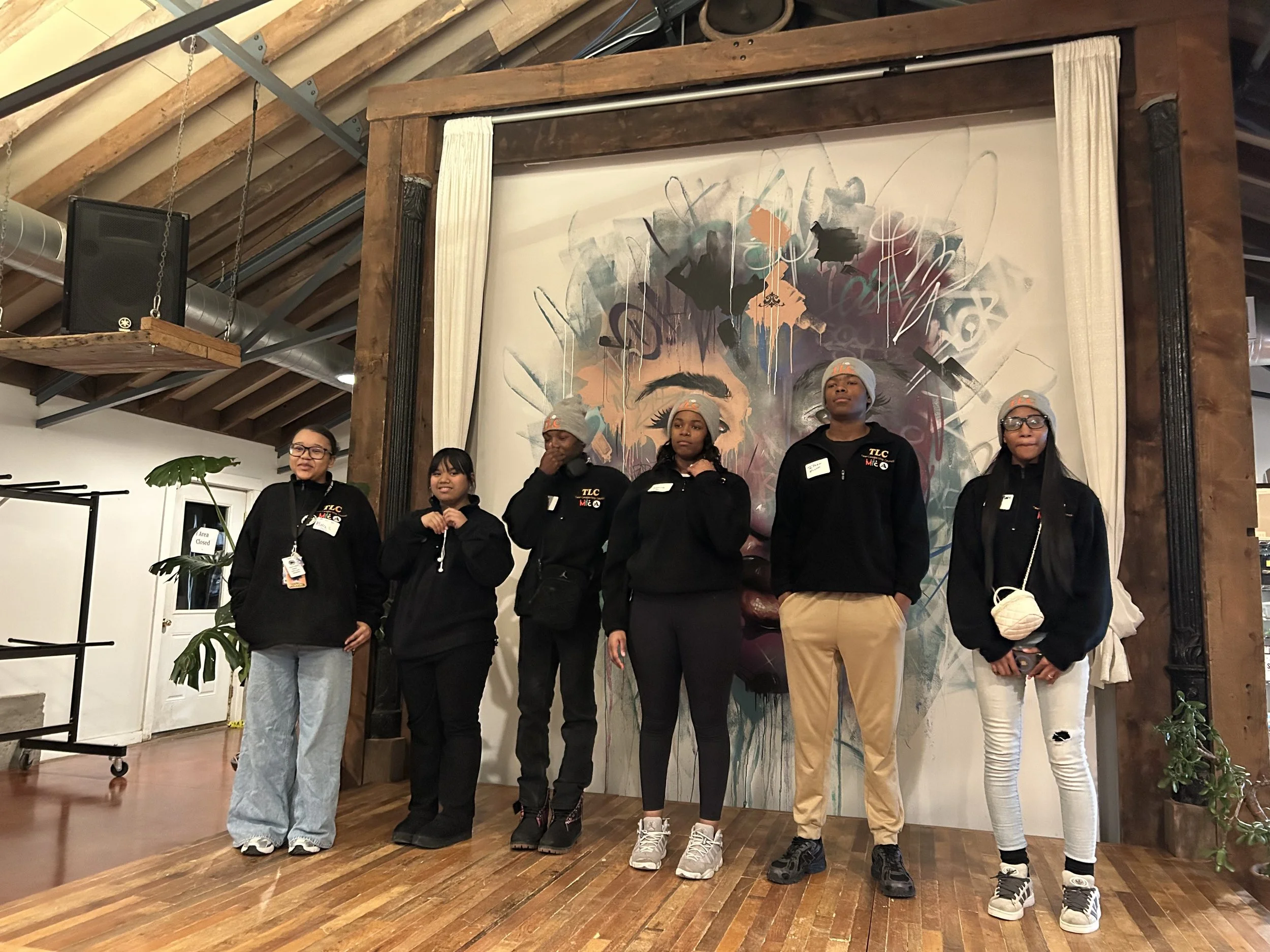

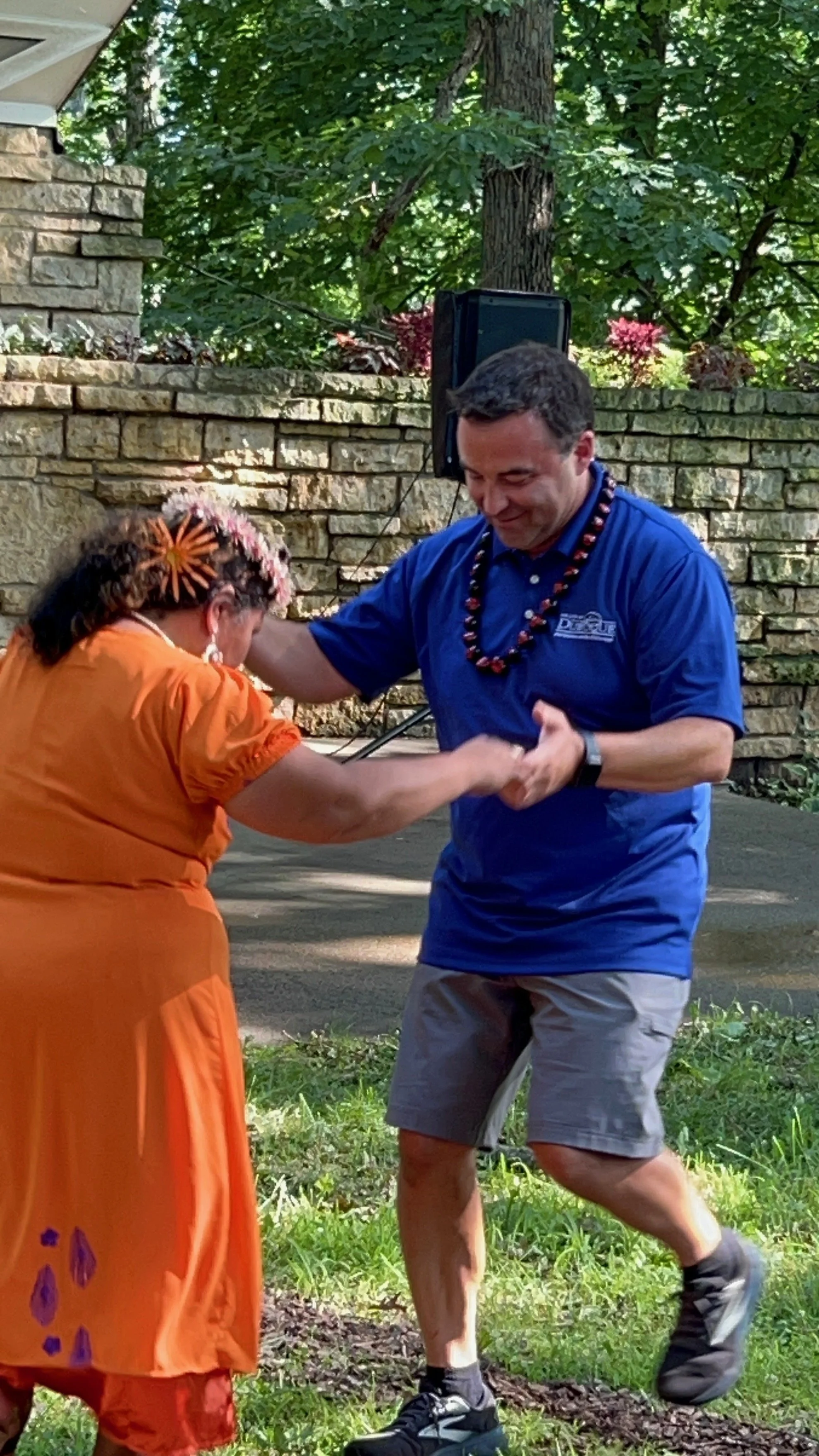
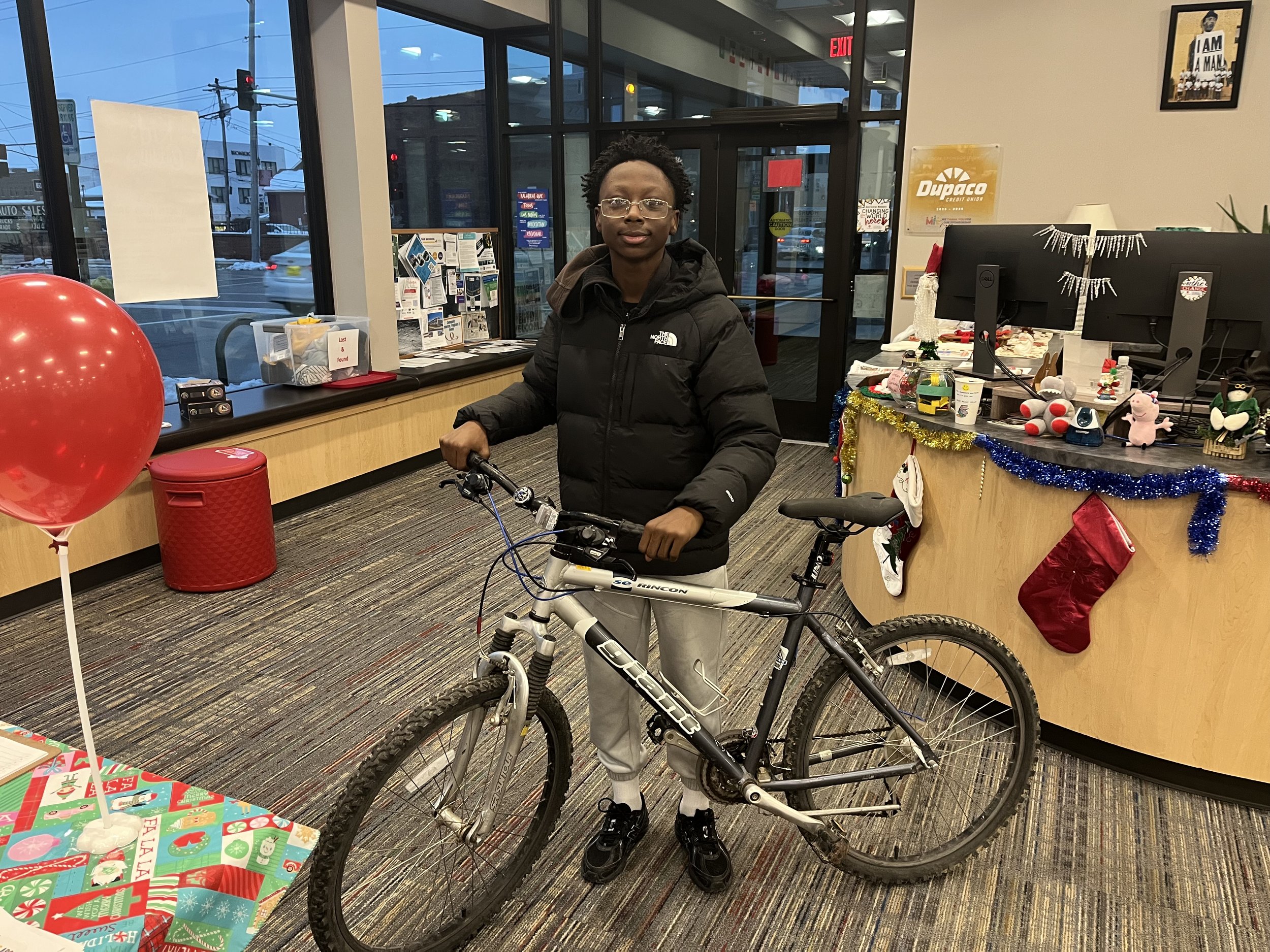


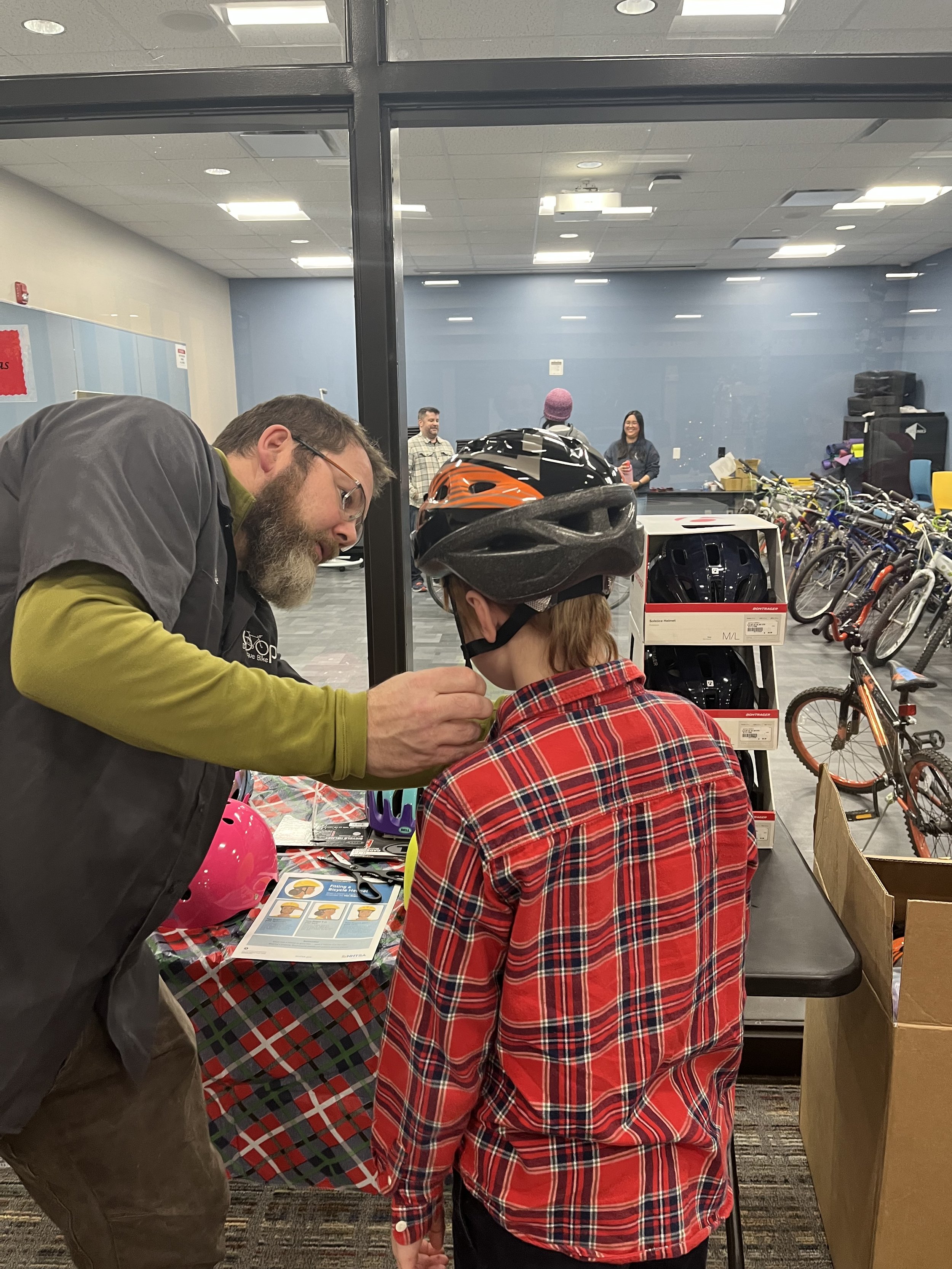


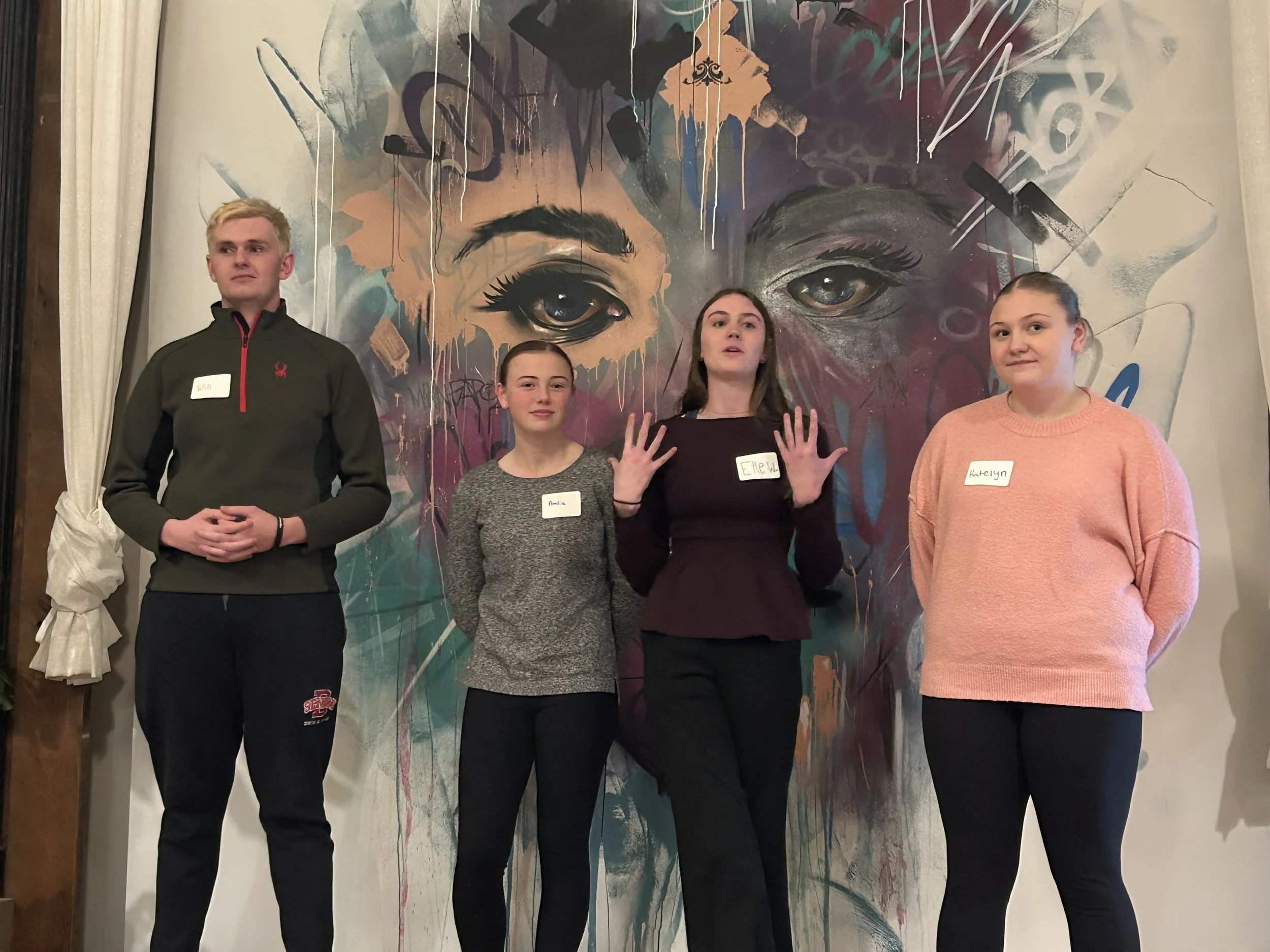
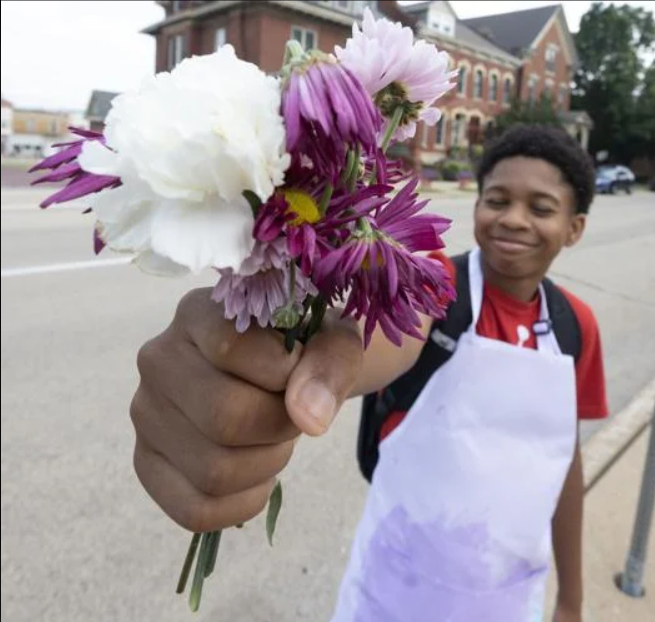
Photos taken from the Youth Climate Action Kickoff Events
in 2024 and 2025, the 2025 EarthTank Event, the 2025 Youth Climate Action Fund Closing Party, and throughout grantee projects
Vision:
To empower young individuals to design, produce, and govern urgent climate solutions in our city, in alignment with the 50% by 2030 Climate Action Plan.
Award Size:
Chosen applicants will receive micro-grants of up to $5,000 to support climate action projects done by youth.
Eligibility:
Each project must be led by at least 2 youth between the ages 15 - 24 years old who live, work, study, and play in the City of Dubuque. Projects have to align with Dubuque’s 50% by 2030 Climate Action Plan and one of the chosen 4 sectors:
Transportation and Land Use: Transportation makes up a large portion of greenhouse gas emissions in Dubuque. Encouraging other forms of transportation like biking, walking, or public transit aids in lowering emissions in our community.
Climate Health and Safety: The health of our environment has a direct impact on the health and safety of human life. Educating and engaging our community builds resilience and empowers the public.
Food: Climate change has a direct impact on food production and food waste is a large contributor of greenhouse gases. Strengthening local food sources addresses the impact of climate change and supports local economy.
Solid Waste and Recycling: As waste decomposes, methane and other harmful greenhouse gases are released into the atmosphere. Finding new and innovative ways to reduce waste and recycle items can make a big difference in our community.
Check out the Idea Bank below for projects aligned with the 4 sectors
For more detailed program requirements, click the link below!
-
Funds must be disbursed to organizations/eligible recipients including:
Youth-led organizations (e.g. youth clubs or groups)
Youth-serving organizations (adult-led organizations supporting young people)
Sponsor organizations, such as city agencies, schools or other educational institutions, museums, or community organizations
Each project must involve at least 2 youth in the specified age range.
Private companies, individuals, political parties, or party-affiliated organizations are not eligible.
Eligible Microgrant Project Expenses:
Project supplies and materials, including rental and purchase of items directly needed to carry out the project, such as equipment, tools, art supplies, or technology.
Costs for organizing community events, workshops, or educational sessions, including venue rental, printing of materials for participants, and basic refreshments.
Costs for any necessary permits to implement the project in accordance with local regulations.
Reasonable ground travel expenses for youth participants or team members directly involved in project implementation.
Promotional materials to raise awareness about the project, encourage engagement from stakeholders and the greater community, and share project results including photography, editorial support, and videography.
Reasonable fees for training and mentorship offered in workshops with youth participants
Administrative costs that local NGOs, civic groups, neighborhood clubs, schools, or other organizations may charge for administering a microgrant on behalf of youth project leads. The costs should be no more than 15% of the microgrant value.
Small amounts to enable youth participation such as per diems for food or gift cards if these expenses are reasonable in proportion to the activities. In no event may these expenses make up the majority of the microgrant.
Capital investments when they do not exceed 50% of the microgrant and are an essential part of the project suggested and led by youth.
Ineligible Microgrant Project Expenses
Services/expenses covered by existing city initiatives
Rent or utilities, unless specified above
Nonprofit/NGO incorporation fees
Speaker honorariums and speaker fees
Scholarships
Direct support to individuals or families
Partisan political contributions or expenses
Expenses related to political campaigns, fundraisers, or projects
Expenses related to lobbying (attempting to influence legislation) or voter registration
Expenses related to commercial activities
Capital campaigns, endowments, or endowed chairs
Payments to government officials
Events or fundraisers not related to youth climate action
Regranting or sub-granting to other organizations or individuals
-
Can I participate if I live outside of Dubuque, in the county, in Illinois or Wisconsin?
No, participants must live in the City of Dubuque.
Can my organization participate if we serve youth?
Yes, but the applicant must be a youth between the ages of 15-24 and the project must be led by youth.
Can I participate on my own?
No, you must be in a group of at least 2 youth and have a fiscal sponsor.
How many individuals can I have within my youth group?
As many as you’d like.
Do I have to pick a project from the idea bank below?
Nope. The idea bank is to spark ideas! We encourage you to create and implement your own solution as long as it aligns with the 50% by 2030 Community Climate Action Plan and at least one of the 4 sectors of transportation and land use, climate health and safety, food, or solid waste and recycling.
Are these microgrants only for science-based projects?
Nope! We would love to see and fund proposals centered around the arts! Check out the examples below of using art to highlight important climate issues.
-
July 15th: Grant application opens
October 30th: Grant application closes
December 7th - April 15th: Project implementation
April 15th: All projects must be completed
May 14th: Final project reports due
Additional Materials:
-
Jacqueline Hunter - ToyCycle: Empowering Tomorrow’s Eco-Leaders
Ashley Noonan - Moving to Zero Waste at University of Dubuque
Paige Manning - Increasing Awareness About Vector Borne Diseases
David Witthoeft - Solar Powered Charging Banks
Kyra Stoll - Greening Dubuque
Amanada Soat - Sustainable Stories: Books for the Community
Maddie Hoffman - Solution to Recognizing Air Pollution
Ana Rivera - Dubuque Sustainable Shopping Guide
Lucy Conlon - Restaurant Composting
Dubuque Bike Coop - Complete Streets for Kids
-
Elle Wernimont - Weatherization kits for low-income families
Joey Wohlers - E. Coli in Dubuque’s Waters
Andrew Szczesniak - Sustainable 3D Printing Solutions
Bella David - Bringing Pollinator Friendly Gardens to Dubuque Residents
David Witthoeft - A Literary Expression of Climate Awareness
Jay Moore - ReLeaf Project
Katlynne Wolf - Boys and Girls Club Farmer’s Market
Rachel Evanoff - Alta Vista Campus Prairie Signage
Bernadette Mercurio - Outdoor Gathering Space
Josh Kirby - Alta Vista Campus Bike Library
Jesse Gomez - Green Team Club at Alta Vista Campus
Nathaniel Budzisz - 3D Plastic Waste Recreator
Ariona Albert - Aria Janeé’s Crochet Café
Brandon Burks - Echoes of Extinction
Caitlin Daniels - E Bike Library
Haley Martin - Emergency Preparedness Kits
Juliette Saito - Low Waste Marshallese Constitution Day, Voices of Resilience, and Rhythm of the Changing Tide
Jessica Pfohl-Paisley - Up-cycling Workshops